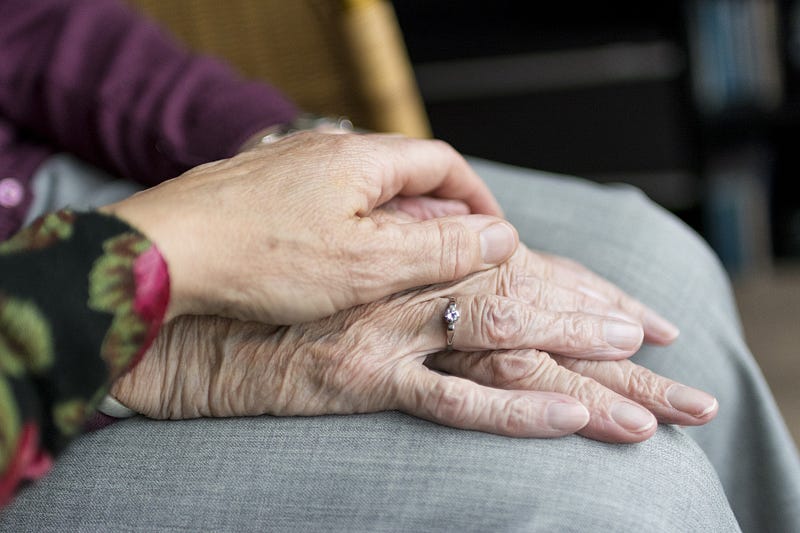
As we move further into the 21st century, one trend that seems to be emerging is a growing lack of respect shown by younger generations towards their elders. While there are certainly exceptions, it is no secret that many young people today do not hold the same reverence for older individuals that their parents and grandparents did in previous generations. This is a concerning development, and one that deserves closer examination.
First, it is important to acknowledge that there are many factors that contribute to this trend. One possible explanation is the increasing pace of technological change and cultural shift that young people are exposed to on a daily basis. The world is changing faster than ever before, and as a result, younger people may feel that older generations are out of touch or unable to relate to their experiences. Additionally, some older people may not be as open-minded or accepting of new ideas and ways of life, which can further erode respect from younger individuals.
Another possible explanation is that younger generations are simply not being taught the importance of respecting their elders. In the past, many cultures placed a strong emphasis on filial piety and respect for elders, with parents and grandparents often serving as role models and authority figures. However, in modern times, these traditions have become less important, and some young people may not have had the same upbringing that instills these values.
Despite these explanations, it is important to recognize that the lack of respect shown towards older individuals is not without consequences. Not only can it lead to feelings of isolation and loneliness for older people who may feel undervalued or unappreciated, but it can also contribute to intergenerational conflict and division. By failing to show respect towards those who came before us, we risk losing touch with our history and traditions, and failing to learn from the wisdom and experience of those who have come before us.
 RCS - Business Default
Leave a comment