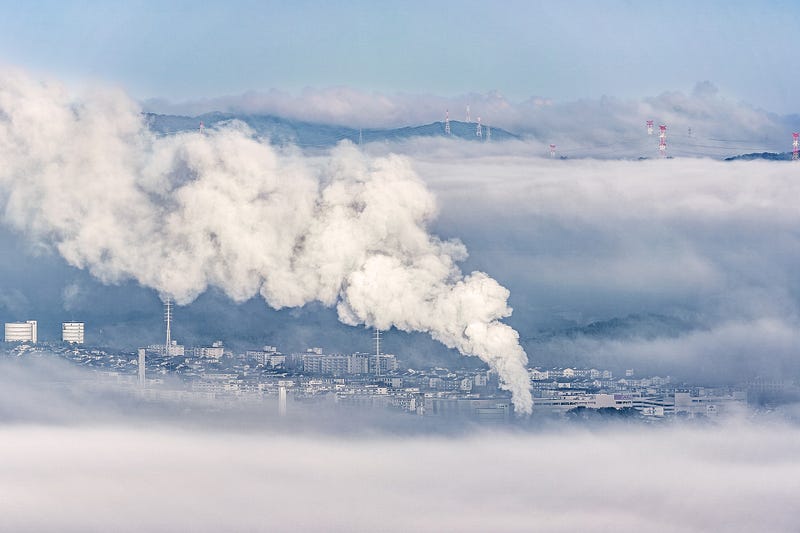
The climate crisis is one of the biggest challenges facing humanity today. With rising global temperatures, melting glaciers, and more frequent natural disasters, it’s clear that urgent action is needed to reduce our carbon footprint and transition to a more sustainable way of life. Renewable energy sources like solar and wind have been hailed as a solution to these problems, but are they really the answer?
While solar and wind energy have many benefits, including low emissions and decreasing costs, they also have limitations that make them unlikely to solve the climate crisis on their own. Here are some of the reasons why:
- Intermittency: Solar and wind energy are dependent on weather conditions, making them intermittent sources of power. This means that energy generation may be low or non-existent during periods of low wind or sunshine. To compensate for this, energy storage systems are needed to store energy during times of excess generation and release it during periods of low generation. However, these storage systems are expensive and can be difficult to scale up to meet the needs of a large power grid.
- Land use: Solar and wind farms require large amounts of land to generate significant amounts of energy. This can create conflict with other land uses such as agriculture, wildlife conservation, and urban development. Additionally, the construction of wind turbines and solar panels can have environmental impacts such as habitat destruction and soil erosion.
- Infrastructure requirements: The deployment of solar and wind energy requires significant infrastructure investments, including transmission lines, substations, and energy storage systems. This can be costly and time-consuming, and may require significant political and social support to overcome opposition from affected communities.
- Energy density: Solar and wind energy have lower energy densities compared to fossil fuels, meaning that they require more land and resources to generate the same amount of energy. This can limit their potential for large-scale deployment, particularly in areas with limited land availability.
 RCS - Business Default
Leave a comment