
Death is an inevitable part of life, reminding us again and again that we are transient. Questions that touch our meaning and existence are always connected with it, but often remain without clear answers. Particularly difficult moments occur when someone close to you dies. Shock, sadness, emptiness, pain. It is important to accept death and allow ourselves to grieve. Although the grieving process is never completely finished, it at least eases the pain and allows us to move on in life.
No matter how predictable death is, it still carries a touch of taboo in its omen. We don’t know when it comes, or why, or how. Sometimes it separates us from those we love the most and always leaves behind a big question mark. The death of loved ones is associated with enormous pain, which is among the most intense that we experience in life. Grief is always associated with pain, which is a normal but also necessary part of recovery. Although we process and accept the worst pain, we can never fully get over the loss. If nothing else, important dates, places and events bring back memories that rekindle old feelings.
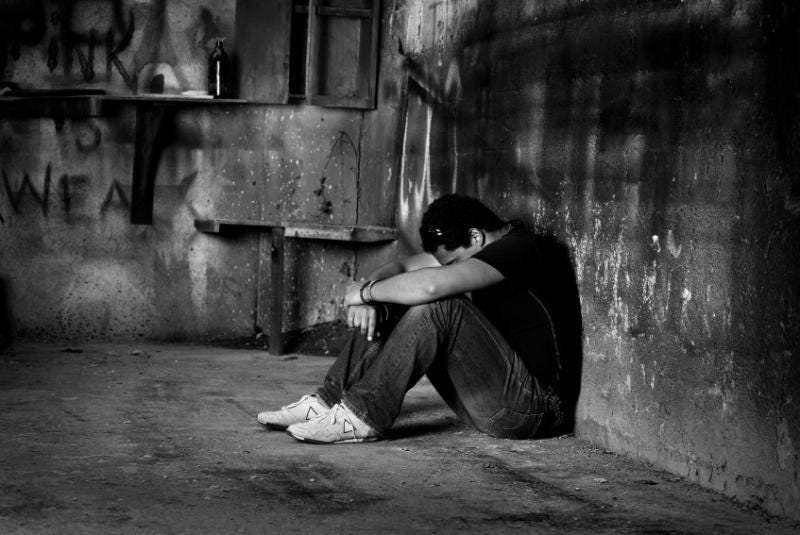
There is no universal recipe for how to cope with the loss of a loved one, as each individual has their own way of grieving. We can’t really talk about ‘right and wrong’ because everyone feels their own way and the recovery time automatically adjusts to that. Nevertheless, mourning can be placed in specific stages, to which strict rules do not apply. This means that they do not have a specific course or order, transitions between phases can be completely imperceptible, it can even happen that one phase repeats itself several times or overlaps with another. Emotions and reactions therefore have their own path.
1. When we learn of the death of a loved one, we usually first experience SHOCK, which is a kind of protection against the intensity of the loss. It can be expressed in different ways: as emotional numbness, apathy, physical withdrawal. At first glance, it may look as if the individual has not been touched by death, but it is an intense state that is happening within him. Sometimes it happens that at this stage the individual is not yet able to accept the loss, so he DENIES it. He tries to continue life as if nothing happened, but gradually he comes to accept the feelings and meaning of the loss. It is an extraordinary pain that requires time for the individual to internalize.
2. When, after the shock phase, the individual is truly aware of the loss and everything that it brought, the phase of deep SADNESS follows. This phase is very often associated with various disorders, which can manifest as insomnia or excessive sleeping, loss of appetite or overeating, loss of energy for everyday activities. Outbursts of crying, avoidance of social contacts, feeling of helplessness are common, and sometimes depression also occurs.
3. From the emptiness, the individual gradually moves into the phase of ANGER AND RAGE, because he feels it is unfair that this happened to him. He feels betrayed, abandoned, lonely and helpless. “Why did he leave me?!” He can direct his anger at other people nearby, which manifests itself in the form of conflicts and disputes, or he can direct it at himself; for example with the abuse of intoxicating substances.
4. GUILT awakens when an individual thinks about how he could have prevented the death, or when he wonders what more he could have done for the deceased. He is consumed by feelings that he did not devote more time to it than he could have, that he did not clear up potential conflicts and similar self-blaming thoughts. At this stage, the thought often arises: “What if…”, “Unfortunately, it is too late now.
5. The guilt phase is followed by the DESPAIR phase, which represents the last state or final reconciliation. The individual finally realizes that all that has happened is true and final, with no more denial. He accepts the loss emotionally and intellectually.
6. REORGANIZATION and INTEGRATION mean that the bereaved gradually returns to the rhythm of life. He reorganizes and adapts his routine, forms new patterns and establishes new relationships and roles. There is no general rule, but it is believed that the individual regains balance within one to two years.
How to help the bereaved?
Grieving is an internal process that everyone must work through on their own. It is a great help to the bereaved to know that he has someone by his side with whom he can share his difficult feelings. A great deal of sensibility is needed, without unnecessary words, that someday it will be better, that ‘it happens’, that ‘that’s just the way life is’ and the like. Cliché words can’t take away the difficult feelings a bereaved person faces. It is important that we are with him in everything he feels, even if it is only silence. This is the one that often heals the most.
 RCS - Business Default
Leave a comment