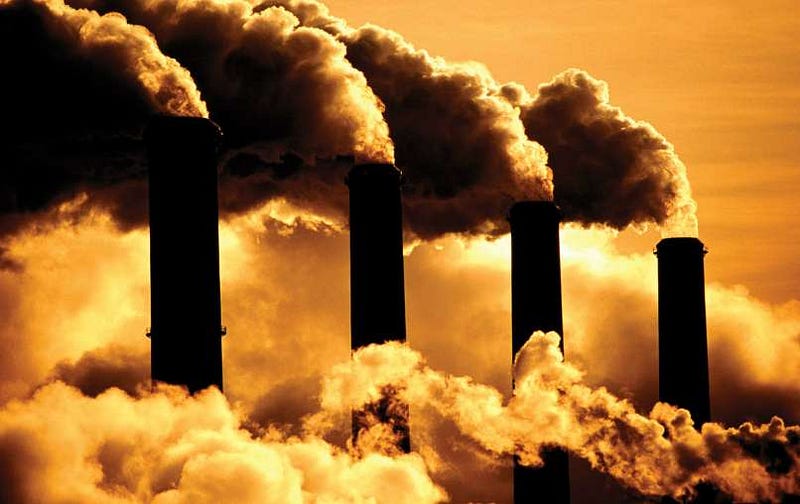
As mature people, we take responsibility for our actions. Only an environmentally realistic person is able to shift the focus to his own impact on the environment and not to the impact of humanity as such.
We are the environment
As mature people, we take responsibility for our actions; the pollution and dangers of modern times are not to blame for industry, cars, chemicals or phytopharmaceuticals, but for man, who manages them and has the opportunity to choose, and not the other way around. It is necessary to awaken the modern eco-realist person in us.
Let’s look at the facts and figures that may surprise you a lot
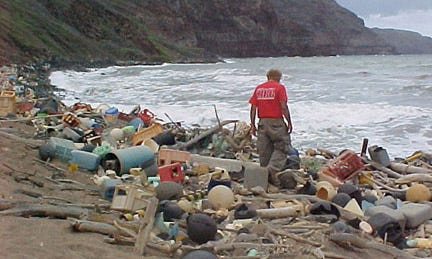
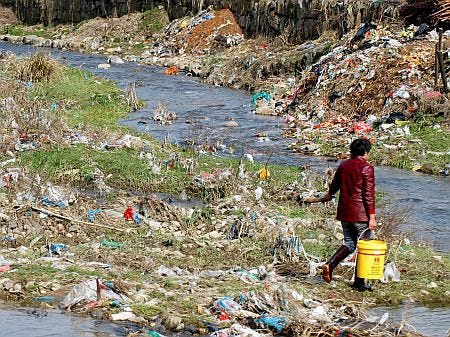
Today, 20% of the world’s population consumes 75% of all natural resources. In a city with 100,000 inhabitants, about 3 tons of detergents, 14 tons of liquid cleaning agents and 3 tons of motor oil go down the drain every month.
1 liter of used motor oil poured on the ground can seep into the groundwater and contaminate a million liters of drinking water supplies. In Slovenia today, we have an average of 1.1 cars per household. Buses use five times less energy per passenger, pollute the atmosphere less with greenhouse gases and make less noise.
It takes 50 times more energy to make a normal battery than it then produces. Of the objects or machines used by most people, the biggest polluter is the car.
The tree, from which they make 700 paper bags, as much as a large store uses in less than an hour, grows for fifteen years. By spraying vineyards and orchards, we also poison flies, bees, wasps, hornets, etc. Burning Styrofoam releases 57 different chemical compounds, most of which are toxic.
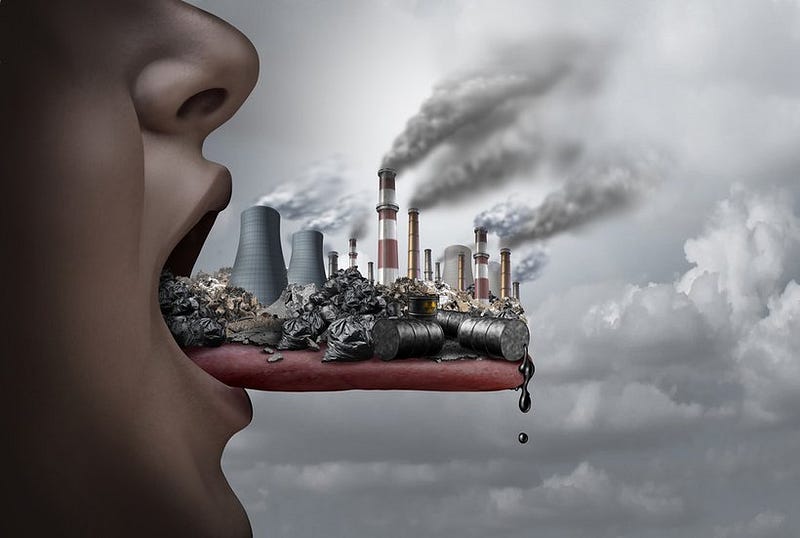
As many as 20% of fish are threatened with extinction due to freshwater pollution. Meat products are mainly high in saturated fat, which is linked to heart disease. A lot of salt and some additives are also added to them. Canned fruits and vegetables are often artificially colored with one of fifteen artificial colors. A series of studies have proven that some diseases are simply the result of improper nutrition or the consumption of inferior foods.
The largest domestic consumers of electricity are the refrigerator and freezer. When washing, we use up to 90% of the energy to heat the water. When we open the oven to check if the food is cooked, the temperature drops by 10°C. If a 2-kilowatt electric stove is turned on for three hours a day, it consumes as much energy per year as half a ton of oil.
It can drip 65 glasses of water through the crack every day, 52 bathtubs in a year. Due to the watering of lawns in the summer months, water consumption rises by about 30%. About 150 to 500 liters of water are sprayed, poured and drained for flushing every day.
Soaps that contain artificial colors and various additives for a pleasant smell (this also applies to liquid shower soaps) have a harmful effect on the skin’s protective layer. Today’s shampoos remove dirt, along with about four-fifths of the hair’s natural oil. Toothpastes contain, for example, titanium dioxide, liquid paraffin and the same detergents that are found in many washing powders.
Apartments have become veritable warehouses for leftover medicines, tranquilizers, painkillers, and too many of them have long since expired. In a few centuries, half of all forests disappeared. Chemical drugs can cause physical and mental dependence. The body can quickly get used to the medicine and needs more and more of it to be effective.
Forest animals are often injured by discarded cans, die of starvation when their heads get stuck in them, or because they swallow cigarette butts. Soil erosion takes away 25 million tons of fertile topsoil every year, about 7% of all the land on the planet in ten years.
 RCS - Business Default
Leave a comment