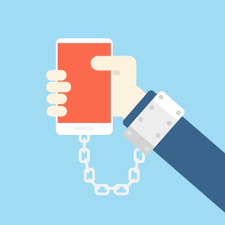
Many professions require many hours spent in front of the computer, and later we spend most of our free time watching shows, movies and series and surfing social media…
Should we also be concerned about the negative effects of screen time?
How much time do adults spend in front of screens?
A few years ago, the average screen time for adults averaged seven hours a day. Since the quarantine, that number has grown to a staggering 13 hours a day.

How do you check how much time you spend in front of the screen? Set your phone, computer, or tablet to send you weekly usage reports so you know how many hours you spend with your eyes on the device.
How much time do children spend in front of screens?
Too much! Many parents console themselves by saying that my child is not yet that far from being addicted. But beware, the line can be very thin. Signs of addiction are manifested by giving up sleep, eating, socializing, movement and other important activities, a decline in school performance and general work productivity.
What is a healthy amount of screen time for adults?
There is no magic number of hours for recommended screen time for adults, but there is clear evidence that too much screen time can harm your health. Studies have shown that those who spend six hours or more a day in front of screens have a higher risk of depression.
They also showed that limiting the use of social media to 30 minutes a day leads to a significant improvement in well-being.
The type and quality of time spent in front of the screen is also important.
Experts say adults should limit screen time outside of work to less than two hours a day. All the time beyond the time you would normally spend in front of screens should be spent on physical activity instead. This may not be feasible immediately, but with a good will for better health, anything is possible.
What is a healthy amount of screen time for children?
Staring at screens has a big impact on children’s eyes, especially in the early years. The recommended screen time also depends on the child’s age:
0-2 years: children should not be exposed to screens until they are two years old.
2-5 years: between the ages of 2 and 5, screen time should be limited to less than one hour per day in the presence of parents, with age-appropriate screen time.
6-9 years: between the ages of 6 and 9, screen time during free time should be limited to an average of no more than one hour per day.
10-12 years: for children aged 10 to 12, screen time should be limited to an average of no more than one and a half hours per day.
13-18 years: between the ages of 13 and 18, parents should limit screen time during free time to no more than two hours a day.
What are the negative effects of excessive screen use?
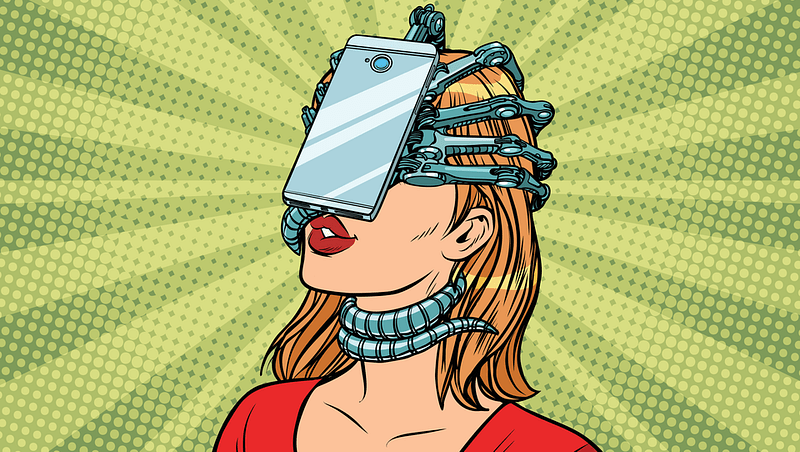
Insomnia and poor sleep – the light from screens signals your brain to stay awake and this constant input during the day can make it difficult to rest at night. Therefore, it is recommended to leave the phone outside the bedroom, where it will safely wait for you in its case.
Eye strain and headaches – Too much time spent looking at screens can cause eye strain or discomfort and blurred vision. Glare and screen brightness can put extra strain on your eyes. Over time, this strain can cause headaches.
Addictive Behaviors – Social media and smartphones have been around for less than 20 years and their impact on people is still being discovered. Recent studies have found that people can develop smartphone and social media addictions, including constantly thinking about and wanting to use a device or platform, using a smartphone or social media apps to manage or change their mood, and experiencing withdrawal symptoms when they can’t access their phone or apps. If this behavior progresses and interferes with daily life, this is cause for concern.
Neck, Shoulder and Back Pain – The posture of sitting at a desk and typing or looking down at your phone puts stress on your neck, shoulders and back. Holding these positions for a long time can cause pain and sometimes more serious problems with the musculoskeletal system.
Changes in Cognition – We know too much screen time is bad for a child’s developing brain, but what impact does too much screen time have on the adult brain? A 2020 study found that people diagnosed with smartphone addiction had problems with the part of the brain responsible for transmitting messages and poorer cognitive abilities.
Decreased physical activity – screen time is time people in past generations would have spent doing physical activity – walking, gardening, playing sports, working on projects, etc. A sedentary lifestyle is directly linked to an increased risk of obesity and other health problems.
Children also have problems, let’s just list them:
sleep problems,
poor self-esteem and perception of one’s own appearance,
worse concentration,
lack of interest in books and outdoor sports,
worse grades in school,
changes in eating habits and increased body weight,
poor physical condition and cognitive abilities,
change in hygiene habits and less self-care,
attention and mood disorders,
loss of sense of time,
lying about screen time and using devices secretly
constant thinking about activities on the Internet,
closing in, less and less face-to-face contact,
problems in interpersonal relationships.
Tips for reducing screen time
Turn off notifications – Notifications are messages from apps that appear on your screen to alert you to new activity. This prompts you to look at your phone and more likely than not spend extra time on your phone in addition to checking the notification.
Set a timer – Use the timer on your phone, microwave, or old-fashioned egg timer while you’re watching TV or using your tablet. When the timer goes off, turn off the device and make an effort to move your body – go for a walk, clean your room or try an exercise at home.
Leave your phone out of the bedroom – many people fall victim to browsing their phones in bed at night or when they first wake up. This disrupts your sleep and can significantly increase your daily screen time. Use the alarm clock to wake up every morning, and leave your phone on the nightstand by the bedroom door every night – it won’t make any difference whether it’s charging in or out of the bedroom.
Use it for sports – replace looking at the screen with physical activity, and use the phone as an activity assistant. Most smartphones already have a basic application for counting steps and recording the distance traveled. distance covered. There are also a whole bunch of applications that also display other parameters and even advise us in choosing suitable physical activity and nutrition. Before you take your phone with you to the hills or on your daily run, don’t forget to properly protect it with a case and a protective glass.
As more and more jobs are digitized and employees are constantly involved in coexistence with technology in the workplace, we can say that most of the time we count as contact with technology is spent at work. What is interesting above all is that there used to be very few jobs where employees had contact with technology, but today there is practically no profession where phones, computers, machines, screens, tablets, etc. are not involved.
What this means for society is difficult to assess, but the fact is that the time we spend in contact with technology is increasing. We may not even notice it ourselves, but hardly a second goes by when someone near us is not on the phone, writing an SMS, email, or in any other way having contact with technology.
So on average, we spend a good part of the day on our phones, about one sixth of the day, to be precise, but this does not mean that we are unsociable, antisocial. The smartphone has become a daily routine, where everyone finds their own corner for interesting things, information and relaxation.
 RCS - Business Default
Leave a comment