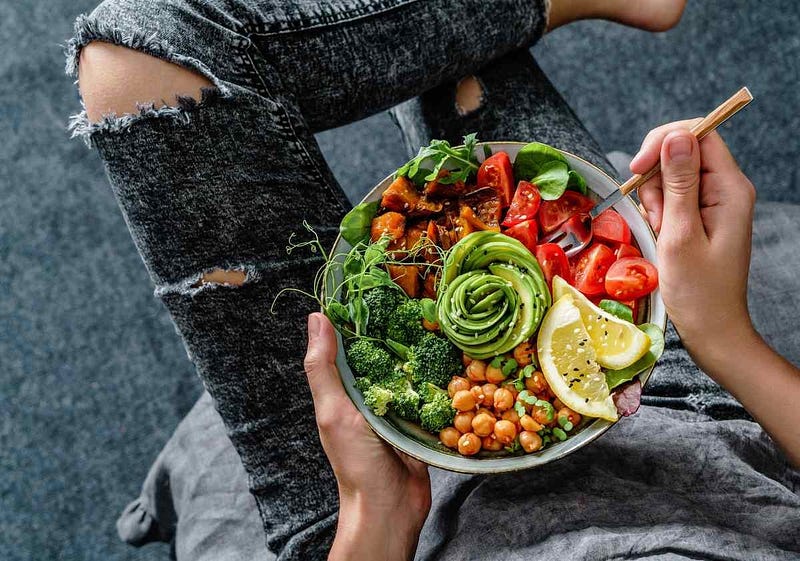
Some believe that the vegan way of eating is extreme and impractical. On the other hand, an ever-increasing number of vegans proves that it is possible to live a quality life even by giving up products that contain ingredients of animal origin. Many also report improved health after switching to a vegan diet, including doctors and many celebrities. What are the advantages and disadvantages of a vegan diet? More on that below.
Benefits of a vegan diet
May Help Lower Cholesterol – A study published in Diabetes Voice in 2007 found that people with type 2 diabetes who switched to a vegan diet had a 21 percent reduction in LDL cholesterol. That’s significantly more than the 9 percent reduction in cholesterol in people who followed the American Diabetes Association’s dietary guidelines. May help lower blood pressure – Eating a vegan diet may reduce the risk of death from coronary heart disease. heart disease. A report published in 2009 in the Journal of the American Dietetic Association also states that people who eat a plant-based diet have lower levels of LDL cholesterol, a lower incidence of high blood pressure (hypertension) and a lower incidence of type 2 diabetes compared to non-human subjects. , who also eat food of animal origin.
Increased Intake of Antioxidants – A vegan diet typically means an increased intake of whole foods such as vegetables, fruits, legumes, and whole grain baked goods, which means more antioxidants, fiber, vitamins, and minerals are consumed.
Greater sense of self-control – Eating vegan requires a lot of self-control and commitment, which can carry over into other areas of one’s life where these qualities are desired or needed. In addition, vegan dishes usually require them to be eaten more slowly, which helps us focus more on what we are actually eating while eating. A vegan way of eating can therefore also help people who have problems with impulsive eating.
The problems of a vegan diet
Radical Change – Deciding to go vegan is a huge change in one’s life. Intolerance to certain plant-based ingredients, such as soy or gluten in grains, can be an additional problem. Existing health problems – People who struggle with health problems and take medication for them, especially those affected by eating disorders (e.g. diabetes, high blood pressure) experts recommend that you consult your doctor before switching to a vegan diet. Over time, it may be necessary to adjust the amount of medication – most often to reduce it, as a vegan diet can help improve some existing medical conditions.
Loss of certain vitamins and minerals – The biggest risk of a vegan diet is related to the lack of vitamin B12, which is important for the functioning of the nervous system, metabolism, immune system, normal psychological functioning, cell division and contributes to the reduction of fatigue and exhaustion. Omnivores consume sufficient amounts of this vitamin with meat, but it is important for vegans to replace it with a dietary supplement. It is also important to add calcium if we do not consume enough of it with plant foods.
Eating Disorders in Society – Although awareness of the vegan way of eating is increasing, there are still prejudices and many misunderstandings about it in society. Vegan food is also not available in all restaurants and other eating establishments, so eating out for lunch or dinner sometimes requires more planning. Especially when traveling. Also, not all cafes offer milk substitutes (rice milk, soy milk), and vegan ice creams are mostly only found in boutique pastry shops. Unrealistic expectations – A vegan way of eating can improve well-being and existing health, but expectations must remain realistic. There is no magic wand or miracle potion that will solve all problems. Anyone who embarks on veganism well-stocked with information and perhaps even the support of a person who has been a vegan for many years has a much greater chance of persisting in this way of eating and gaining from it. However, it is by no means a good idea to decide on veganism (or any other way of eating) just because of current fashion or strong marketing.
If you decide to go vegan
Experts recommend a gradual transition. You can start with a vegetarian diet (giving up meat, but still eating other animal products), followed by a gradual reduction in the amount of animal-based foods and replacing them with plant-based equivalents.
Good information is also important. Once you’ve decided to go vegan, the World Wide Web will become your best friend, both for nutritional information and for planning a balanced vegan diet that will provide you with the necessary nutrients, vitamins and minerals, as well as for cooking recipes. Just be careful to get information from reliable, credible sources, because there is also a lot of untrue, unverified and potentially harmful information online.
If you have any existing health problems, consult your doctor before switching to a plant-based diet.
 RCS - Business Default
Leave a comment